AI Receptionist for Physical Therapy Clinic
May 4, 2026
An ai receptionist for physical therapy clinic teams can reduce missed calls, book more visits, and keep scheduling consistent without extra staff.
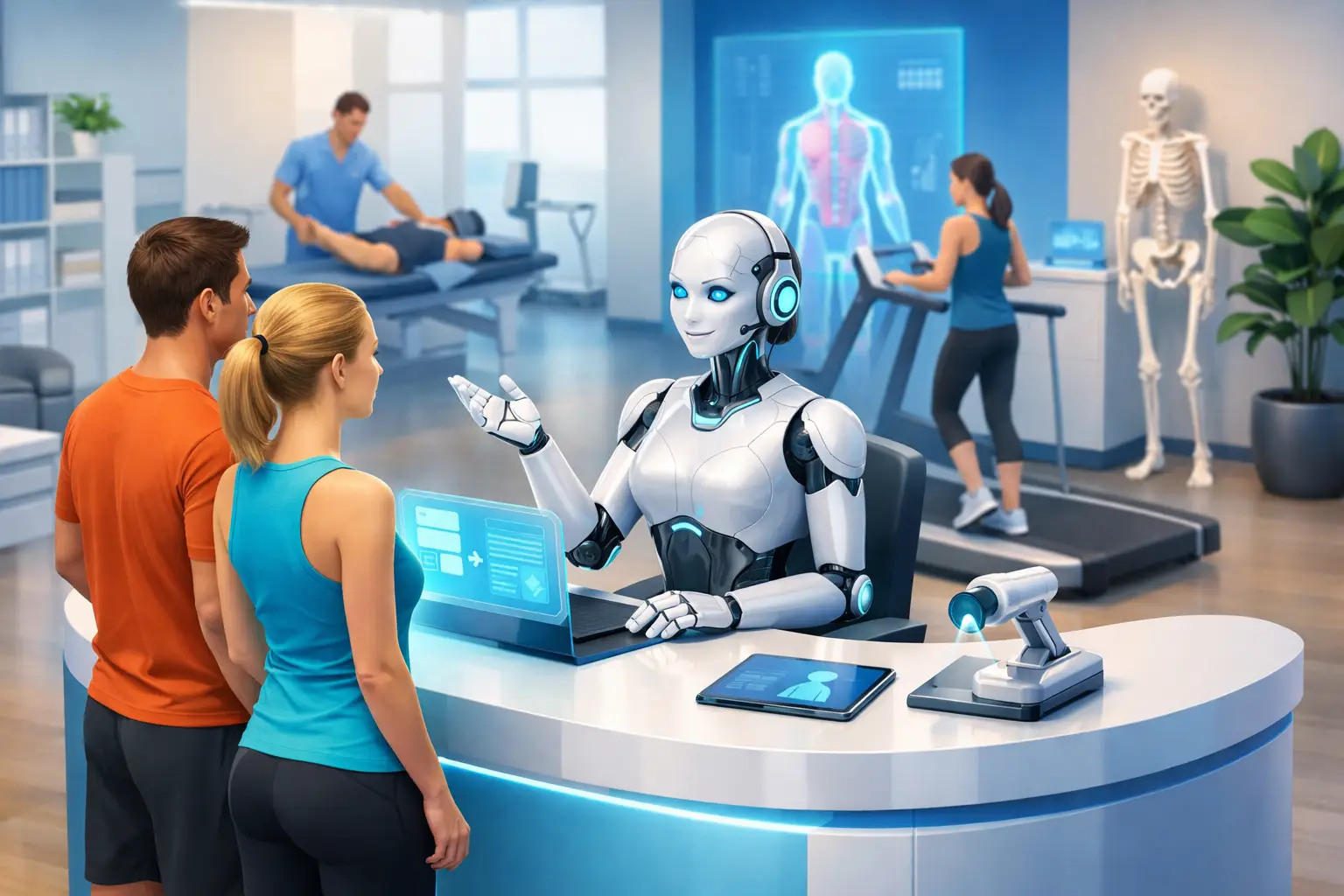
A new patient calls during lunch, gets voicemail, and moves on to the next clinic. That is not a marketing problem. It is a front-desk coverage problem. An ai receptionist for physical therapy clinic operations solves that gap by answering inquiries, handling scheduling, and keeping communication moving when staff are busy with patients, paperwork, or insurance tasks.
For physical therapy practices, the front desk does more than answer phones. It sets the pace for the patient experience, protects therapist schedules, and affects how quickly an inquiry becomes an evaluation on the calendar. When that function breaks down, the cost shows up in missed evaluations, delayed follow-ups, and overloaded staff. The case for automation is simple: make sure every inquiry gets handled quickly and consistently, without adding more manual work.
Why an AI receptionist for physical therapy clinic operations makes sense
Physical therapy clinics run on tight timing. A front-desk team may be checking in patients, collecting copays, answering clinical scheduling questions, responding to referrals, and dealing with reschedules at the same time. Even a strong team misses calls when the desk gets congested.
That matters because PT scheduling is more complex than booking a haircut or dinner reservation. New evaluations require the right appointment type, the right provider, and often the right intake sequence. Existing patients may need recurring visits adjusted around work, school, or post-op restrictions. If the person answering the phone is rushed, the process slows down fast.
An AI receptionist is useful here because it handles the repeatable parts of reception work with consistency. It can answer common inbound questions, collect caller information, route requests, confirm appointments, and respond after hours. That does not remove the need for human judgment. It reduces the amount of front-desk labor spent on predictable communication.
For many clinics, the value is not replacing staff. It is covering the gaps that staff cannot cover all day, every day.
Where physical therapy clinics lose appointments
Most clinics do not lose bookings because demand is weak. They lose them in the handoff between interest and scheduling. A patient sees a referral, visits the website, or gets a recommendation from a physician office, then reaches out when the clinic is busy or closed.
If that inquiry sits too long, conversion drops. The same is true when existing patients call to move appointments and cannot get through. A schedule with too many unconfirmed visits, late cancellations, or unresolved voicemails creates avoidable downtime.
An ai receptionist for physical therapy clinic teams addresses that bottleneck in a practical way. It keeps response times short, captures every inbound inquiry, and moves simple scheduling conversations forward immediately. That means fewer missed opportunities and less backlog for staff the next morning.
There is also a patient expectation issue. People increasingly expect a quick answer, even from local healthcare businesses. They do not necessarily expect a full clinical conversation after hours, but they do expect acknowledgment, options, and a path to book.
What the right system should actually handle
A useful AI receptionist for a PT clinic should focus on receptionist work, not try to imitate a clinician. That distinction matters. The goal is operational coverage, not clinical advice.
At a minimum, the system should answer inbound calls or messages, gather the reason for contact, identify whether the person is a new or existing patient, and move them into the right scheduling or follow-up path. It should also handle common non-clinical questions such as office hours, location details, basic insurance intake direction, and appointment confirmations.
For new patients, the most valuable function is structured intake before a human ever steps in. If the system can capture contact details, preferred appointment windows, referral status, and visit type, staff start with usable information instead of a cold callback.
For existing patients, the operational win is different. It is about reducing repetitive traffic at the desk by handling confirmations, reschedule requests, and straightforward appointment questions. That frees staff to deal with exceptions instead of every routine request.
What it should not do
Physical therapy clinics should be careful about overextending automation. An AI receptionist should not present itself as a therapist, interpret symptoms, or give medical direction. It should not guess when a case needs staff review.
That trade-off is important. The best setup is one where automation handles communication efficiently, then escalates edge cases to the clinic team. For example, post-surgical scheduling questions, referral authorization issues, or concerns about worsening pain should move to staff promptly.
This is one reason specialized receptionist automation is more useful than a generic chatbot approach. Clinics do not need a broad conversational tool that tries to do everything. They need a reliable front-desk layer that knows when to collect information, when to book, and when to hand off.
Operational gains clinics can expect
The first gain is lower missed-call volume. If calls are answered instead of sent to voicemail, more inquiries stay active. That directly affects evaluations booked and overall schedule utilization.
The second gain is less administrative drag on the front desk. When appointment confirmations, routine questions, and basic scheduling tasks are automated, staff have more time for in-office patients and complex coordination work. In PT settings, that can improve check-in flow and reduce errors caused by constant interruption.
The third gain is more consistent communication. Human teams vary by shift, training level, and workload. An AI receptionist gives the clinic a standard response process every time. That consistency matters when practices are trying to improve intake speed and reduce leakage between inquiry and first visit.
Labor economics also matter, but this is not only about payroll. Many clinics are not trying to eliminate a receptionist role. They are trying to avoid hiring additional coverage just to keep up with phone volume, lunch breaks, early calls, late calls, and overflow periods.
How to evaluate an AI receptionist for physical therapy clinic use
The first question is whether it improves booking throughput, not whether it sounds impressive in a demo. A clinic should ask how many calls are currently missed, how long callbacks take, and how often new patient inquiries go unanswered after hours. If those numbers are weak, the opportunity is real.
Next, look at scheduling fit. PT clinics often have multiple appointment types, provider availability rules, and visit cadence requirements. An AI receptionist needs to work within that structure. If it cannot support real scheduling logic and clear routing, it may create more cleanup work than it saves.
Communication quality matters too. The system should be clear, fast, and reliable. Patients should know they are being assisted, understand the next step, and receive confirmation when an appointment request is completed or handed off.
Reporting is another practical requirement. Office managers and practice leads need visibility into how many inquiries were handled, how many appointments were booked, what required escalation, and where demand is coming in. Without that, automation becomes hard to measure.
A focused provider such as Ortuas is built around this exact use case: receptionist coverage, appointment handling, and consistent customer communication. That is the right frame for PT clinics evaluating automation. The real question is not whether AI is interesting. It is whether the front desk is capturing every opportunity.
The implementation question most clinics ask
The common concern is whether patients will resist it. In most cases, that depends less on the technology and more on execution. If communication is prompt, accurate, and easy to follow, most patients care more about getting helped quickly than who or what handled the first interaction.
Another concern is whether staff will trust it. That usually improves when the system is positioned correctly. It should reduce repetitive workload, not create a second inbox for staff to babysit. If the handoff rules are clear and the scheduling process is dependable, teams tend to adopt it quickly because they feel the pressure come off the desk.
The clinics that benefit most are often the ones with steady call volume, uneven front-desk coverage, or growth goals that outpace current admin capacity. A single-location practice can benefit just as much as a larger operation if the issue is missed inquiries and scheduling friction.
Physical therapy depends on consistency. Patients need it in care plans, providers need it in schedules, and operators need it at the front desk. When every missed call can turn into a missed evaluation, reliable reception is not overhead. It is part of revenue operations, and it should run that way.
Get tips like this in your inbox
We send practical guides on AI, automation, and growing your service business. No spam.